
The Hidden Solar Panel Problem That Can Kill a Home Sale

Solar panels are becoming more common on homes throughout Colorado, and while they can offer environmental benefits and potential energy savings, there is one issue that many homeowners don't discover until it's time to sell.
The problem isn't necessarily the solar panels themselves, it's the financing behind them.
Why Solar Panels Can Complicate a Home Sale
Many homeowners purchase solar systems through leases, power purchase agreements (PPAs), or financing plans. During the sales process, these agreements can create unexpected hurdles for both sellers and buyers.
We've seen transactions delayed, renegotiated, and even canceled because of solar panel agreements that weren't fully understood when the panels were installed.
Unfortunately, many homeowners are told that a solar lease is "not attached to the home" or that it won't affect a future sale. While the agreement may not always appear like a traditional mortgage, it can still become a major issue during the transfer of ownership.
The Buyer's Dilemma
When solar panels are leased rather than owned outright, the buyer may be required to assume the lease as part of the purchase.
That additional monthly payment can affect the buyer's debt-to-income ratio, which lenders use to determine loan eligibility. Even a payment of $100–$150 per month can be enough to push some buyers beyond their qualifying limits.
For buyers who are already stretching to purchase a home, that extra obligation can be a deal breaker.
Even when financing isn't an issue, some buyers simply don't want to inherit a solar agreement they didn't choose.
Solar Agreements Can Be Hidden
One of the most frustrating aspects of solar transactions is that these obligations don't always show up immediately during the home sale process.
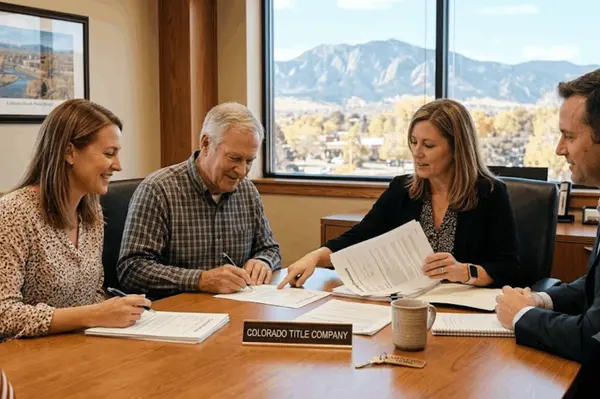
Sometimes the issue is discovered by the title company. Other times it's uncovered by the buyer's lender. In some cases, it may not surface until just before closing.
When that happens, everyone is scrambling to determine:
- Is the solar system owned or leased?
- Does the agreement need to be paid off?
- Can the buyer assume the contract?
- Will the lender approve the transaction?
These last-minute discoveries can create significant stress and delays.
Why Disclosure Matters
If you're selling a home with solar panels, it's critical to let your real estate agent know upfront how the system was purchased.
Providing documentation early can prevent surprises later. Buyers often want to review:
- Solar lease or financing agreements
- Recent solar bills
- Utility bills showing energy savings
- Payoff information, if applicable
The more information available upfront, the smoother the transaction tends to be.
Thinking About Installing Solar?
We're not against solar energy. For many homeowners, it can be a great fit.
However, if you're considering installing solar panels, it's important to understand how the financing structure may impact your future plans. If there's a chance you'll sell your home within the next five to ten years, carefully evaluate whether a lease or financing agreement makes sense for your situation.
Understanding the long-term implications now can save significant headaches later.
The Bottom Line
Solar panels don't have to derail a real estate transaction—but misunderstanding the agreement behind them absolutely can.
Whether you're buying, selling, or considering installing solar panels, make sure you understand exactly how the system is financed and what obligations may transfer with the property.
If you're planning to buy or sell a home with solar panels and have questions, we'd be happy to help you navigate the process and avoid costly surprises before they impact your transaction.
Categories
Recent Posts







GET MORE INFORMATION