
Is a Fixer-Upper Worth It in Today's Littleton Market? A Realistic Look
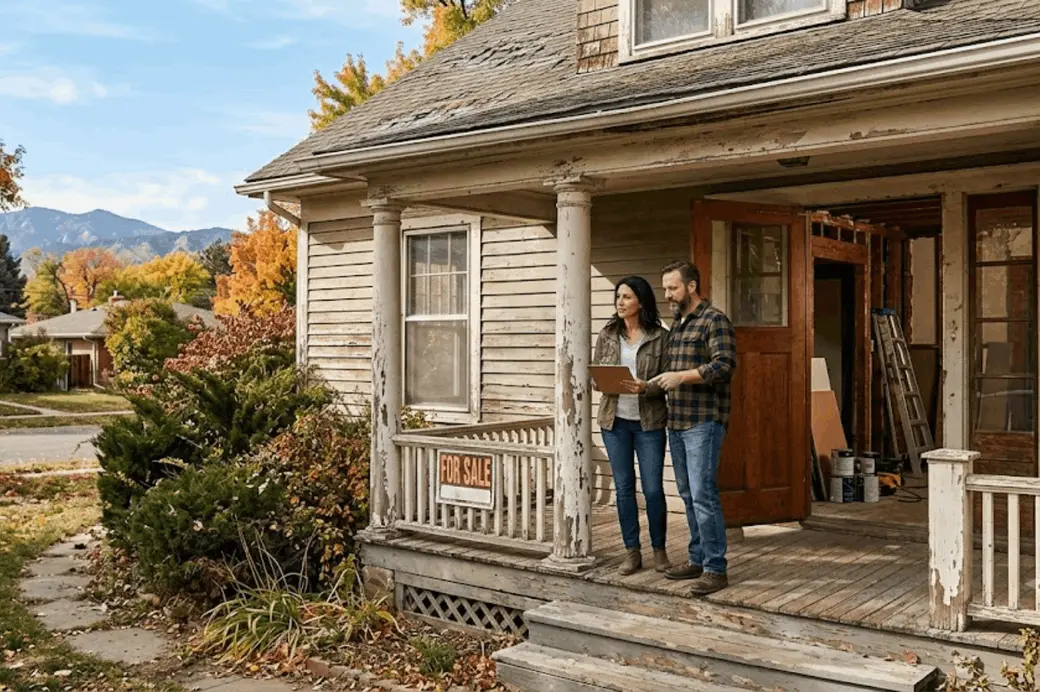
Is a Fixer-Upper Worth It in Today's Littleton Market? A Realistic Look
Many of my downsizing clients ask: "Should we sell as-is or fix it up first?" Buyers ask the mirror: "Is buying a fixer-upper a smart move right now, or is the math broken?"
In my experience working with Littleton homeowners and buyers, the fixer-upper calculation has gotten harder because renovation costs have risen, contractor timelines remain stretched, and finished product pricing has moderated. The numbers need to work before you commit to the project.
The basic renovation math most buyers skip
The question isn't just "can I buy it cheap?" It's a comprehensive formula that includes carrying costs and your emotional investment.
The Real Formula:
Purchase Price + Renovation Cost + Carrying Costs (interest, insurance, utilities during renovation) + Your Time & Stress = Total All-In Cost.
Compare that total to what turnkey comparable homes are selling for. If you're not saving meaningful money or creating meaningful equity after all those inputs, the fixer-upper calculus doesn't pencil.
When fixer-uppers make sense in Littleton
Investing sweat equity can be an excellent strategy under the right conditions. Projects typically pencil out well for:
Homes with dated finishes but solid bones—where the roof, foundation, mechanicals, and structure are in good shape—and your primary renovations are paint, flooring, kitchen hardware, and landscaping.
Buyers who have existing contractor relationships and highly realistic, vetted cost estimates in hand before going under contract.
Those with substantial flexibility on their move-in timeline, acknowledging that renovation projects routinely take longer than originally planned.
Buyers who genuinely want to customize finishes to their exact taste and view the hands-on design process as an exciting opportunity rather than a burden.
When fixer-uppers are high-risk in today's market
Conversely, certain red flags should caution you against moving forward unless the discount on the purchase price is exceptionally steep:
Foundation shifts, old piping, or failing mechanical systems where costs are difficult to accurately estimate without a destructive full contractor assessment.
Buyers on a strict timeline (expecting a new baby, an ending lease, or a firm job start date) who cannot easily absorb inevitable renovation delays.
Buyers relying heavily on complex financing products (like FHA 203k or Fannie Mae HomeStyle) without understanding the administrative hurdles and timeline extensions they require.
Any scenario where the projected purchase price plus renovation cost closely approaches turnkey pricing for similar homes in the exact same neighborhood.
"A fixer-upper can be a great move—or an expensive lesson. Base your final decision on actual numbers, not just imagination."
Frequently Asked Questions
They can be, but they are highly complex and add substantial time to the closing process. Be sure to work with a lender deeply experienced in renovation financing before committing.
Ideally, yes on major items. At a bare minimum, structure your contract to utilize your inspection period to get professional local contractor estimates before removing your contingencies.
Some loan programs have strict property condition requirements. Conventional, FHA, or VA loans may not work for a home with major deferred maintenance issues that need to be addressed prior to or at closing.
Let's run the numbers together
We will help you evaluate any project home in the Denver Metro area before you fall in love with the potential, ensuring your real estate investments are backed by sound local market math.
Recent Posts







GET MORE INFORMATION