
The Art of Negotiating After an Inspection in Littleton—How to Ask Without Killing the Deal
The Art of Negotiating After an Inspection in Littleton—How to Ask Without Killing the Deal
The mindset that wins inspections
A home inspection is not a warranty; it's a risk disclosure tool. Every home—new or old—will have findings. The question is not 'is there anything in the report?' but 'are there items here that change the value proposition or represent safety or structural concerns that need to be addressed?' Buyers who approach every finding as a dealbreaker often lose good homes; buyers who ignore significant findings set themselves up for expensive regret.
What to ask for (and what to let go)
- Ask for: safety items (electrical hazards, water intrusion active issues, gas leaks, structural concerns), major mechanical items near end of life that weren't disclosed, and items that affect habitability.
- Consider asking for: significant deferred maintenance items that were reasonably undisclosed, and items where the repair cost is material relative to the transaction.
- Let go of: cosmetic deficiencies, normal wear and tear for the age of the home, and items that were obvious during showings and presumably priced in.
Repair vs. credit: which to ask for
This comes up frequently with long-time homeowners on the selling side: sellers often prefer a repair credit (cash at closing) over being required to hire a specific contractor because it gives them control and avoids the risk of a buyer rejecting their workmanship. Buyers often prefer credits for the same reason—they can choose their own contractor and have the work done on their own timeline. Understanding this preference on both sides tends to accelerate resolution.
How to write an inspection objection that gets a yes
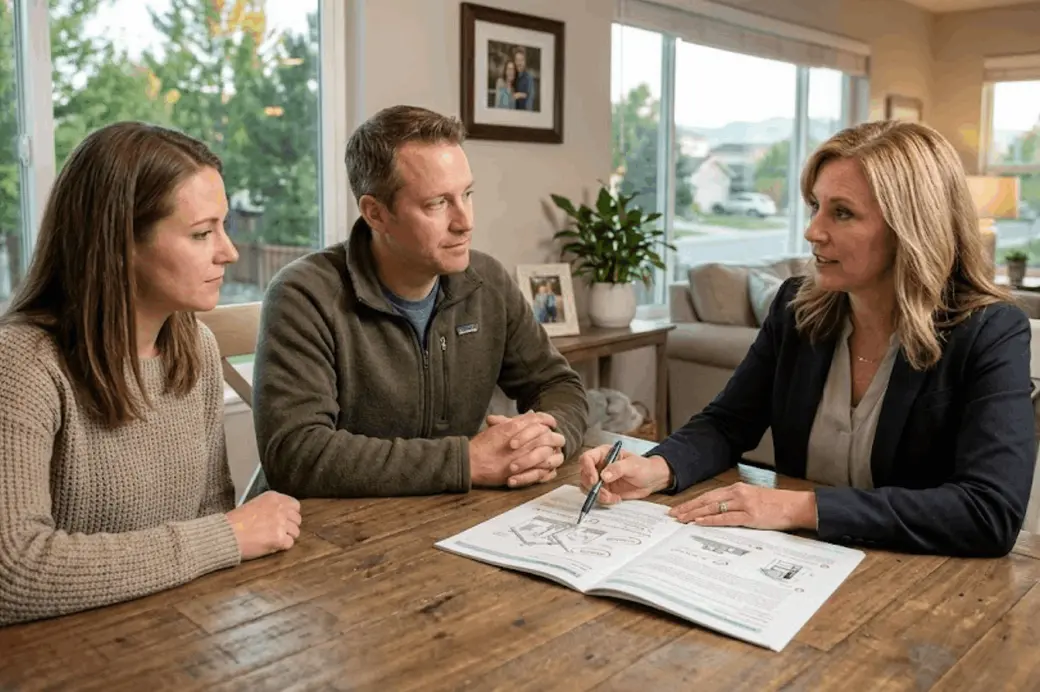
What I see most often in the Denver Metro market is buyers who either ask for too much (triggering seller resistance) or too little (leaving value on the table). A well-crafted inspection objection prioritizes your top three to five items clearly, documents them with the inspector's language, and frames the request as a practical problem-solving exercise rather than a renegotiation of the entire deal.
FAQ
Can a seller reject my inspection requests entirely?
Yes—and in that case, you decide whether to accept the home as-is, renegotiate, or terminate within your deadline.
Should I attend the inspection?
Absolutely—walking the home with the inspector is one of the most valuable hours in the entire purchase process.
What if I find something major after closing?
If it was a known defect that wasn't disclosed, you may have legal recourse; undisclosed material defects are addressed differently than issues that were visible but not negotiated.
Ready to buy smart in Littleton?
Categories
Recent Posts









GET MORE INFORMATION